Most brand campaigns now live on at least three screens: a phone held upright, a phone on its side, and a TV or laptop. The lazy way is to shoot 16:9 and crop a vertical out of it later. You can always tell. Heads get cut, products fall off the edge, and the whole thing feels like a leftover.
Decide the hero format first
Before a single frame, we ask where most people will actually see this. For retail and launches it's almost always vertical. For hospitality and brand films it's usually horizontal. The hero format gets composed properly; the other gets protected.
Frame for both
- Shoot in a higher resolution than you deliver, so there's room to reframe.
- Keep faces and product in the centre third for shots that need to work both ways.
- Put safe-area guides for both ratios on the monitor. Our DOP hates it. It works.
- Get dedicated vertical shots for the key moments. A few set-ups cost you minutes, not days.
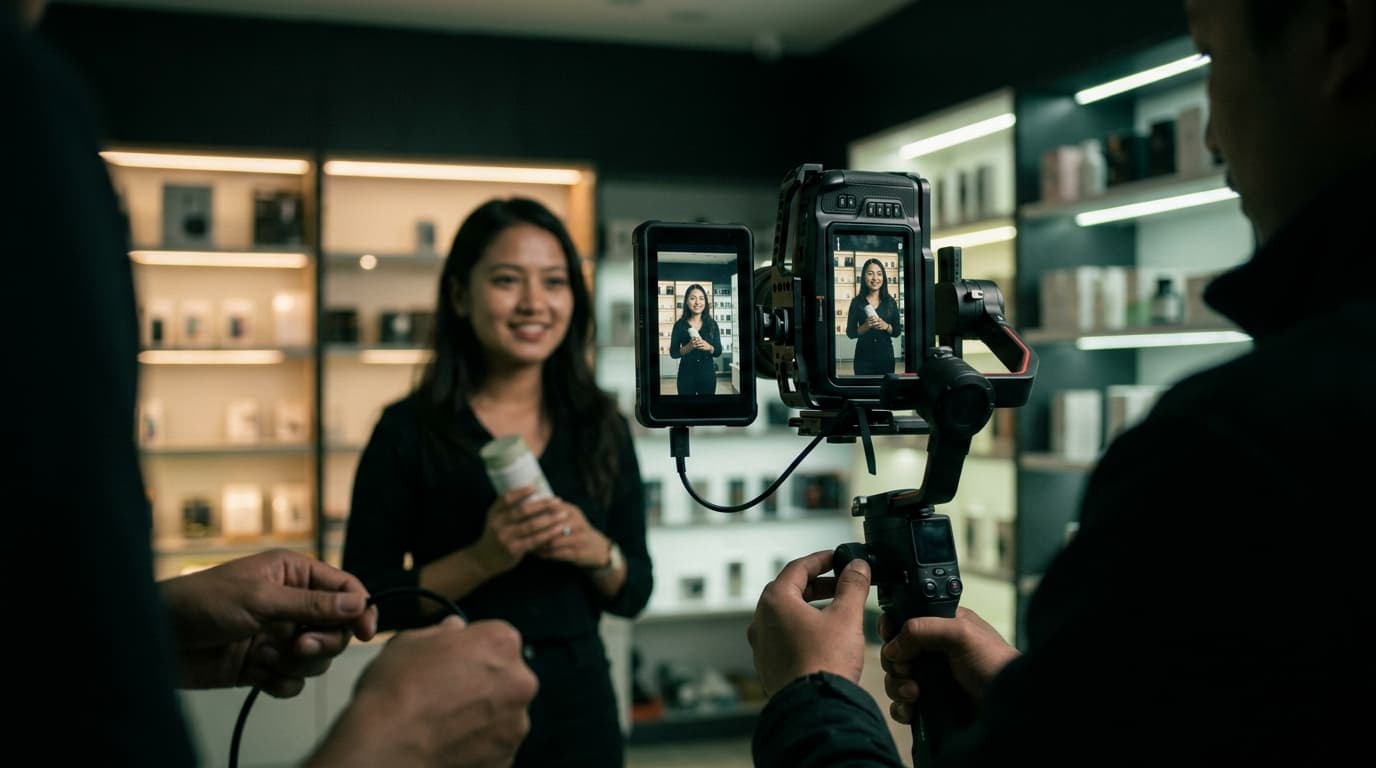
“On the Neo Store shoot we had a 'vertical minute' after every set-up. Same light, same talent, turn the rig, go. It added maybe forty minutes to the day and made every Reel feel native.”
Rig it so switching is fast
“An L-bracket and a cage that rotates without re-balancing the gimbal. That's the whole secret. If going vertical takes ten minutes, the crew will stop doing it by lunch.”
Cut them as different films
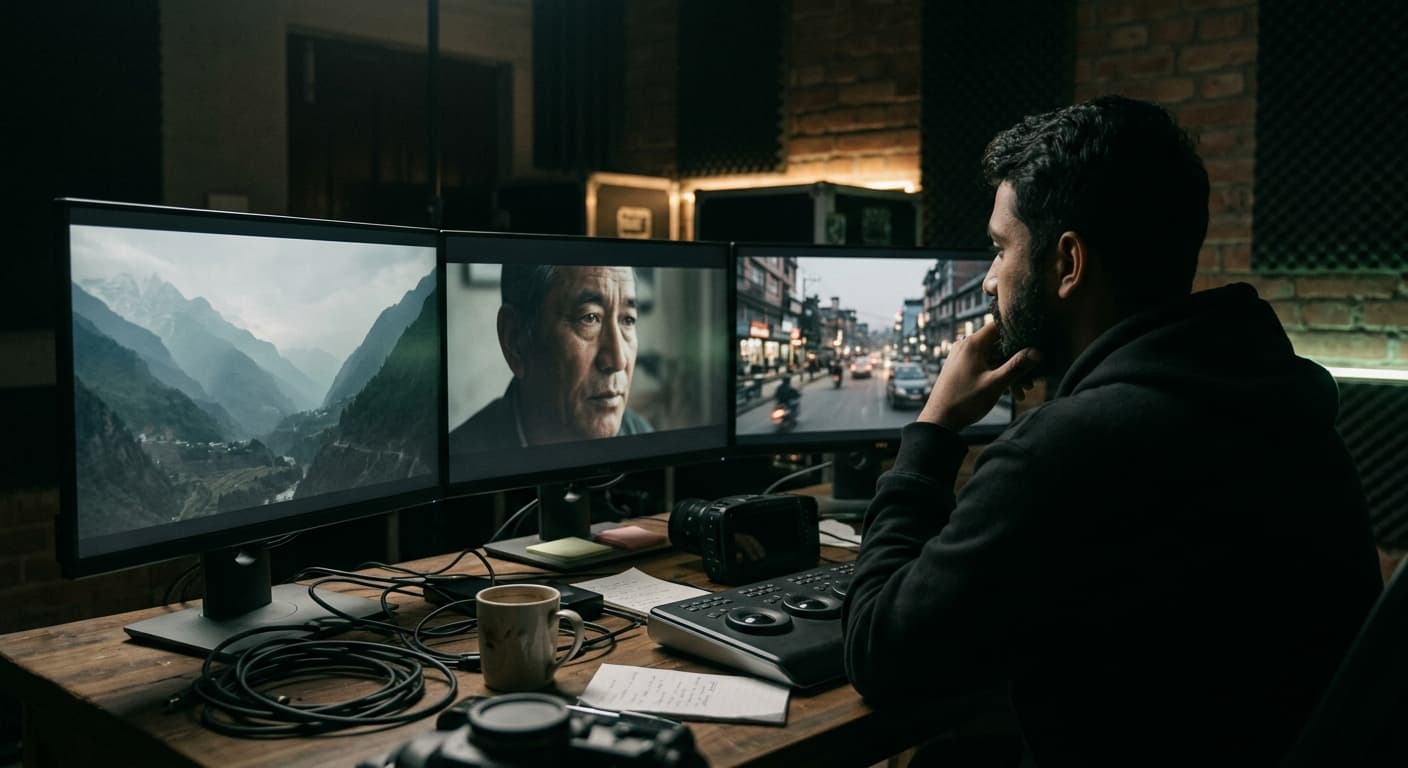
A vertical edit isn't a squashed horizontal one. It's faster, the hook has to land in the first second, text sits in different places and the pacing is tighter. We cut them as separate edits from the same footage, not as reframes of one timeline.
Budget for it upfront
Planning both formats from the brief costs very little. Trying to rescue a vertical cut from a horizontal-only shoot after the fact costs a lot, and usually looks it.
Planning a shoot? Tell us about it — or see what we've made.